

 Climate change isn’t exclusively classified as a prominent environmental issue; it remains an acute cash-flow consideration for professional rental property investors. Volatile weather trends, more rampant extreme natural shocks, and persistent seasonal stress on buildings are visibly multiplying long-term maintenance expenses. The climate’s impact on rentals today is accelerating wear on roofs, HVAC systems, foundations, and exteriors, making climate-related maintenance a necessary foundation for protecting your property in addition to wisely planning for the future.
Climate Impact on Rentals & Why Investors Can’t Ignore the Shift
For multiple decades, everyday rental property maintenance conformed to remarkably predictable patterns. This is particularly valid for seasonal maintenance, which managers normally finished at about the same period each year. Currently, those operational rules are morphing swiftly together with our macro climate. Extreme weather and generalized climate shifts are changing how often rental properties need repairs, how long major systems can last, and how much investors must budget for regular upkeep.
Arguably the most difficult component of this reality is that the climate impact units must withstand is not limited to a single catastrophic storm. It takes shape through cumulative stress over time: progressively hotter summers, torrential rainfall, stronger storms, and swinging cold-season conditions that marginally but consistently trigger increased wear and maintenance costs.
To sophisticated rental property owners, this trend delivers:
- Shortened replacement cycles across primary property frameworks
- Enhanced tracking through frequent inspections and preventative repairs
- Elevated long-term operating expenses (if updates are skipped)
Sadly, dismissing changing climate trends can silently damage a portfolio’s profitability as decades roll by. Because of this, active investors must begin mapping out actions now to mitigate the impact our changing climate will have on their bottom lines.
Key Climate-Driven Maintenance Challenges
As we study how climate and the environment impact rental properties, it becomes obvious that exposed property exteriors will be the initial features to show noticeable signs of increasing wear. Yet, major building infrastructure is also highly sensitive to emerging climate change trends. The main key maintenance challenges that property owners must address include:
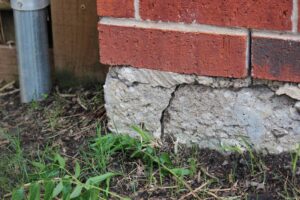
- Heavier Rainfall and Flood Risk: Increased rainfall applies extreme strain to roofs, drainage channels, grading systems, and concrete foundations. Properties far removed from official flood zones still experience persistent moisture intrusion, resulting in unhealthy mold, rotted wood framing, and deep structural concerns that increase total maintenance costs.
- Rising Temperatures and Heat Stress: Elevated summer temperatures force HVAC systems to work longer and harder. Furthermore, outer building materials, protective sealants, and siding finishes break down under prolonged heat and UV exposure, expanding the need for capital replacements and repairs.
- Colder Extremes and Freeze-Thaw Cycles: Throughout colder territories, rapid shifts in temperature drive repeated freeze-thaw cycles. This manifests as cracked sidewalks, damaged brick facades, and frozen or burst pipes, which are consistently costly and disruptive.
- Increased Storm Intensity and Wind Damage: More volatile, stronger storms bring an elevated risk of siding damage, blown-out windows, ruined fences, and fallen limbs. Even if standard insurance covers major events, steep deductibles and uncompensated property repairs immediately harm investor cash flow.
Driven by these persistent climate-related events, the continuous stress of climate change magnifies standard operational wear and tear and hastens the natural aging process of building materials. Roofs require attention sooner, external paint degrades faster, and built-in mechanical systems give out well before their standard life cycle ends. Over time, this accelerated wear compounds costs across the portfolio. Projects that traditionally required maintenance once every 10 or 15 years currently demand attention much sooner, heavily impacting long-term budgeting clarity and expected investment return goals.
Real Estate Climate Upkeep Strategies That Protect ROI
Operating in a climate-stressed environment, standard negligence followed by rushed repair and maintenance inevitably morphs into something far more expensive. Emergency repairs, after-hours technical labor, and tenant evacuation costs all bundle hidden costs that impact returns.
Preventive maintenance, conversely, introduces operational predictability. By neutralizing small maintenance faults early, individual real estate investors can extend and stabilize operating expenses despite changing conditions.
As a matter of fact, an optimal method toward climate maintenance in real estate remains fixed on durability and structural defense. Because of this, leading property managers are steadily emphasizing:
- Deep frequent inspections regarding high-risk perimeters
- Climate-rated materials and upgrades
- Maximizing drainage, ventilation, and insulation
- Timely repairs to block weather-induced damage cycles
In tandem, these structured interventions directly act to control costs and reduce surprise expenses.
Climate Trends Are a Maintenance Reality, Not a Future Problem
The climate-related impact on rental properties is undeniably driving up long-term maintenance costs. Multi-family and single-family investors who respect this environmental shift today and adjust their operational models will be superiorly leveraged to protect and preserve the value and cash flows of their assets. In truth, climate-aware maintenance is not an optional expense; it is remarkably strategic.
Operations at Real Property Management Trust guarantee that maintenance budgets align with present weather patterns, discarding outdated templates. Trusted local experts in Chino and nearby areas are waiting to assist your business. Contact us via the web or dial 909-577-5778 to find out how our proactive, climate-aware maintenance guidelines support rental property investors looking to secure long-term returns.
This content is provided for general informational and educational purposes only and does not constitute financial, legal, tax, or investment advice. Readers should consult with licensed professionals regarding their specific circumstances.
We are pledged to the letter and spirit of U.S. policy for the achievement of equal housing opportunity throughout the Nation. See Equal Housing Opportunity Statement for more information.
